Microsoft outage highlights growing public concern over service disruption
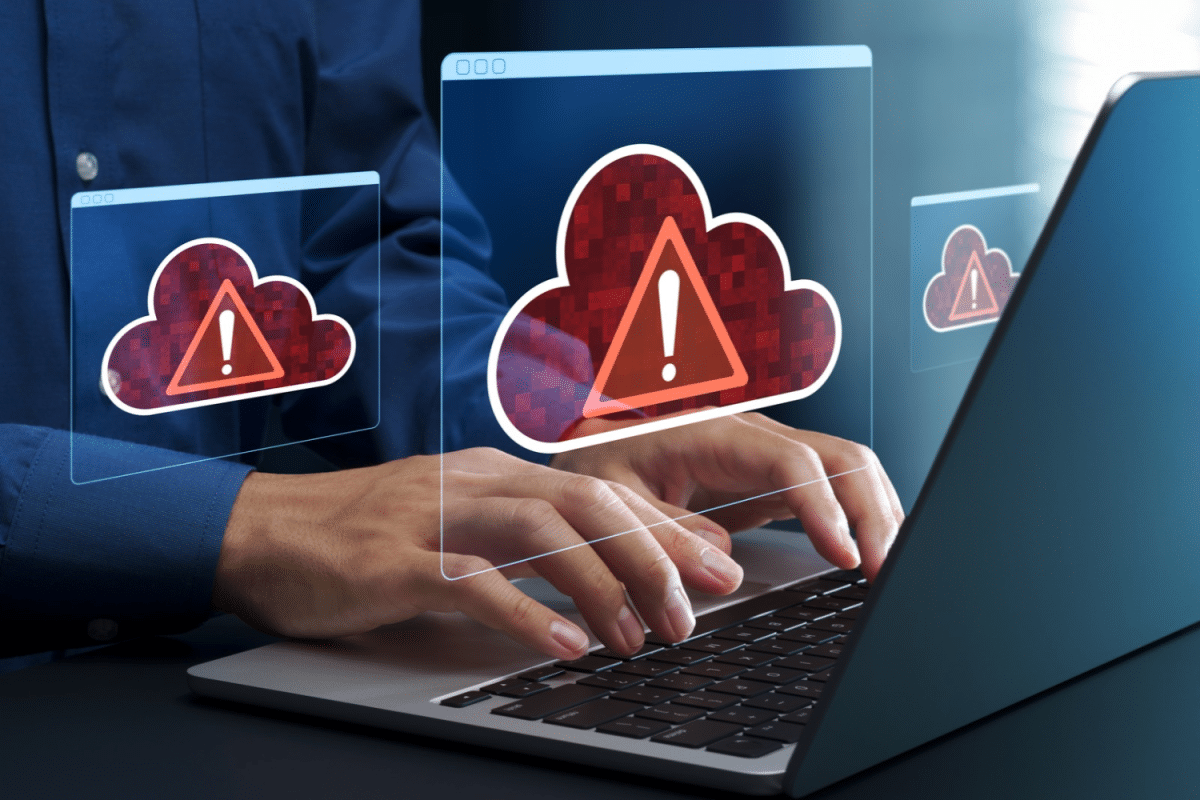
Global Microsoft outage brings the importance of organisational resilience, contingency planning and clear public communication into sharp focus, as new research reveals 84% of UK adults are concerned about disruption to everyday services.
The widespread Microsoft 365 outage affecting users around the world has brought the vulnerability of everyday digital services into sharp focus, reinforcing public concerns about how dependent businesses, public services and individuals have become on technology.
With Outlook, Teams, Copilot and other Microsoft services experiencing significant disruption, the incident provides a timely illustration of the challenges organisations face when critical digital infrastructure becomes unavailable.
It also underlines the importance of preparedness, effective contingency planning and clear communication when disruption occurs.
The incident comes as new research commissioned by The Workforce Development Trust reveals that 84% of UK adults are concerned about at least one form of disruption affecting the services they rely on every day.
The YouGov survey, conducted earlier this year, found that just 14% of UK adults were not concerned about service disruption. Power and utility failures emerged as the public’s biggest concern (56%), closely followed by cyber incidents and IT outages (52%).
Health emergencies or a pandemic (46%), extreme weather events (46%) and communications or network failures (42%) also ranked highly.
While the current Microsoft incident has not been identified as a cyberattack, it demonstrates how technical failures affecting a major technology provider can have consequences across multiple organisations and services.
The findings suggest that resilience is increasingly recognised as a shared societal responsibility, echoing the Government’s recent ‘Be Ready’ campaign.
Digital disruption is an everyday resilience challenge
The research also highlights how commonly service disruption features in everyday life.
Almost half (48%) of respondents reported experiencing at least one significant disruption to services in the previous 12 months, while 47% said they had not experienced any major disruption.
Across all UK adults, disruption to transport services (23%), utilities outages (20%), healthcare services (12%) and banking or payment systems (11%) were among the most commonly reported issues.
The Microsoft outage reinforces how disruption to one digital platform can have consequences well beyond the technology sector itself, affecting workplace communications, access to information and the ability of organisations to maintain normal operations.
Cyber resilience and IT continuity are therefore increasingly important considerations for organisations of every size, particularly those delivering essential services.
The research also highlights differences in concern among digitally engaged audiences. While 52% of adults overall expressed concern about cyber incidents or IT outages, this rose to 64% of LinkedIn users, compared with 49% of TikTok users and 47% of Snapchat users.
Communication matters more than recovery speed
Perhaps most significantly, the research suggests that the way organisations communicate during disruption can have a greater influence on public confidence than the disruption itself.
When asked what makes the biggest difference to the successful management of a disruption, the 2,235 UK adults surveyed placed clear communication with the public (41%) ahead of recovery speed (30%), technology and systems reliability (7%) and the speed of decision-making (7%).
The findings indicate that people judge organisations not simply on whether disruption happens, but on how effectively they communicate when it does.
This is particularly relevant during major incidents such as the current Microsoft outage, when organisations may be reliant on the same affected infrastructure and may themselves face difficulties communicating with employees, customers and stakeholders.
The research found that almost a third (31%) of respondents said unclear or inconsistent communication had the greatest impact on their confidence in an organisation during a service disruption.
By comparison, only 15% said confidence was most affected when services stopped altogether.
This suggests that poor communication can be more damaging to public trust than the disruption itself.
Organisations need to consider in advance how they will keep people informed when their usual communication channels are unavailable, provide accurate updates as situations develop and explain what alternative arrangements are in place.
Public expectations leave little room for delay
The survey further highlights the limited tolerance the public has for prolonged disruption.
More than seven in ten respondents (74%) said service disruption becomes unacceptable if it is not resolved within a day, including:
- 12% who would only tolerate disruption for less than one hour.
- 39% who said a few hours was acceptable.
- 23% who said one day was the maximum acceptable duration.
The findings underline growing public expectations around resilience, recovery and transparent communication.
For organisations, the challenge is not simply to restore services as quickly as possible. It is also to ensure that essential activities can continue, that alternative arrangements are available and that people understand what is happening throughout the incident.
The Microsoft outage is a timely reminder that even organisations with significant technological resources can experience disruption. It also highlights why resilience planning must extend beyond preventing incidents to preparing for the wider consequences when systems become unavailable. Testing realistic disruption scenarios can help organisations identify vulnerabilities, strengthen their response arrangements and build confidence in their ability to maintain critical operations.
Key findings
- 84% are concerned about at least one form of service disruption.
- 56% identify utility failures as their biggest concern.
- 52% are concerned about cyber incidents and IT outages.
- Almost half (48%) have experienced at least one significant disruption in the past year.
- 41% say clear communication is the most important factor in handling disruption effectively.
- 31% say unclear communication causes the greatest loss of confidence.
- 74% expect disruption to be resolved within a day or less.
Jon Czul, Managing Director at The Workforce Development Trust, commented:
“The Government’s Be Ready campaign reflects a growing recognition that resilience is everyone’s responsibility. Our research shows the public already understands the risks. From utility outages and cyber incidents to extreme weather and health emergencies, people are increasingly aware that disruptions can affect everyday life.
“The current Microsoft outage is a timely reminder that these risks are not theoretical. Organisations can find themselves unable to access systems and services they depend on, with consequences that extend to their employees, customers and the wider public.
“What’s particularly striking is that the public is not only concerned about whether disruptions occur, but how organisations respond when they do. Clear communication emerged as the single most important factor in maintaining confidence.
“As the UK continues to strengthen its resilience capabilities, these findings demonstrate the importance of helping people, communities and organisations prepare for disruption before it happens.”
Adam Bell, Partner at Stonehaven and former Head of Energy Strategy at the Department for Energy Security & Net Zero, commented:
“People want the lights to stay on and the taps to work. When the world is so chaotic, and when so much of everyday life could be disrupted by events thousands of miles away, it’s reasonable for the public to worry.
“Resilience means not just looking after infrastructure but making sure that people know infrastructure is indeed being looked after. When things do go wrong, the public need to have confidence that we have the right people in place to fix it.”
Professor Rowena Hill MBE, Professor of Resilience, Emergencies and Disaster Science at Nottingham Trent University, commented:
“These findings highlight an important shift in how the public thinks about resilience. People are increasingly aware that disruption can come from a wide range of sources, from extreme weather and cyber incidents to failures affecting essential services.
“What stands out is that resilience is not judged solely by whether organisations can prevent disruption, but by how they respond when it occurs. Clear, timely and honest communication helps people understand what is happening, what action is being taken and what they can do to protect themselves.
“The Government’s Be Ready campaign reflects the reality that resilience is a shared responsibility. Organisations, communities and individuals all have a role to play in preparing for uncertainty, and building that preparedness before a crisis occurs is one of the most effective ways to strengthen public confidence.”
Benjamin Hall, Operations Director at the Resilience Advisors Network, commented:
“The findings should be a wake-up call for all organisations responsible for delivering essential services. Eighty-four per cent of people are concerned about service disruption, and almost half have already experienced it in the last year.
“The Microsoft outage is a practical demonstration of how quickly disruption to critical digital services can affect organisations and the people who depend on them. It reinforces the need for businesses and public services to think beyond their primary technology providers and have robust continuity arrangements in place.
“The Government’s Be Ready campaign is therefore both timely and necessary. Resilience is not just a government responsibility. It requires businesses, public services, communities and individuals to think ahead and prepare for disruption.”
How can we support your resilience and preparedness?
We’re a recognised authority in resilience capability. Explore how we support organisational resilience and preparedness.