Utility disruption hit 1 in 5 UK adults in the past year, highlighting risks for organisations
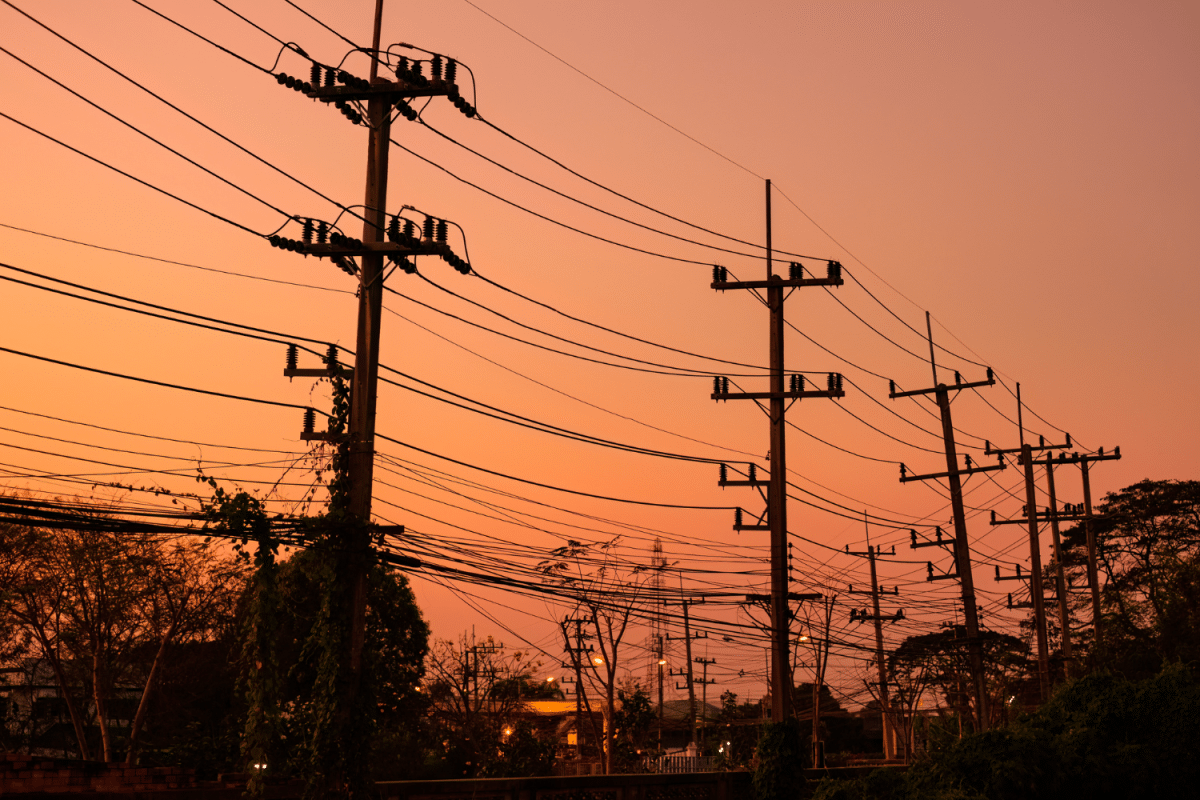
Service disruptions and outages of water, electricity and gas supplies are becoming as common as delays on public transport, a YouGov poll of 2,000+ UK adults has revealed.
The survey, commissioned by The Workforce Development Trust, found that 1 in 5 (20%) UK adults experienced significant disruption to utility services within the last twelve months, compared to almost 1 in 4 (23%) who had experienced disruption to transport services.
The frequency of utility outages, which appear to be more commonplace according to a separate study by Utility Bidder, have had a damaging effect on public confidence and reinforce the need for organisations to be prepared to operate through disruption.
What’s more, public tolerance of service disruptions also appears to be low.
Over half of those quizzed (51%) by YouGov said that they are willing to tolerate service disruption of a few hours or less, whilst only 3% of adults remain confident regardless of the circumstances that providers of key everyday services can effectively handle the disruption.
The perceived unreliability of the nation’s critical infrastructure, including utility networks, appears to be a cause of concern for some, the survey also reveals. Of key everyday services, disruption to power and utility were cited as the public’s greatest source of concern (56%), followed closely by the prospect of cyber incidents or IT outages (52%).
When asked when do you lose confidence that an organisation can effectively handle a service disruption, consumers emphasised the need for clear communication (31%) and visible leadership during incidents (16%), underscoring the need for organisations to have robust, well-tested response plans in place to manage the impact of disruption.
Jon Czul, Managing Director at The Workforce Development Trust comments:
“While investment in infrastructure remains critical, organisations cannot assume that essential services will always be available when they need them.
“Disruption is becoming an expected part of the operating environment. The organisations that will be most resilient are those that have not only developed plans, but have tested them against realistic scenarios.
“Regular stress-testing is essential to ensure organisations can anticipate, respond to and recover from disruption in practice – not just on paper.”
Professor Stergios Mitoulis of The Bartlett, at University College London is an expert in critical infrastructure resilience, and give his reaction to the survey findings:
“The UK’s utilities operate as part of a much larger ‘system of systems’, where power, water, transport and communications for example are deeply interdependent.
“Disruption in one network can quickly cascade into others, amplifying impacts and affecting communities and businesses far beyond the original fault.
“This is not just a challenge for infrastructure owners and decision makers. Organisations must understand these interdependencies and actively test how they would operate under disruption if one or more of these systems fail.
“Only by adopting a holistic, scenario informed stress-testing and threat-agnostic approaches can we ensure continuity of service to mitigate cascading impacts in the face of both known and emerging threats.”
What The Workforce Development Trust offers
The Workforce Development Trust supports organisations to strengthen workforce resilience through scenario-informed approaches, helping teams prepare for and respond effectively to disruption.
This includes:
- Scenario Informed Resilience Assessment – enabling organisations to stress-test workforce capability, leadership and coordination under realistic adverse events – including utilities outages.
- Beyond Six Steps: Workforce Planning for Resilience – a new programme launching soon through our Skills for Health brand to help organisations strengthen workforce planning for resilience